About Bonito, Brazil: Where It Is, Why the Water Is Clear and How Tourism Works
History of Bonito, Brazil: From Cattle Ranches to Ecotourism
Bonito was cattle country for a century before becoming an ecotourism destination. The turn came in the 1990s and created a tourism model still in force today.
Updated September 24, 2026 · Guia de Bonito editorial team
The history of Bonito, Brazil has two long chapters and one short one. The long ones are Indigenous occupation and a century of cattle ranching; the short one, and the one that matters to visitors, begins in the late 1980s, when the town discovered that its rivers and caves were worth more as attractions than as pasture. This article follows that order, marking what is established record and what is local tradition. The town as it is today is described in about Bonito.
Before the ranches
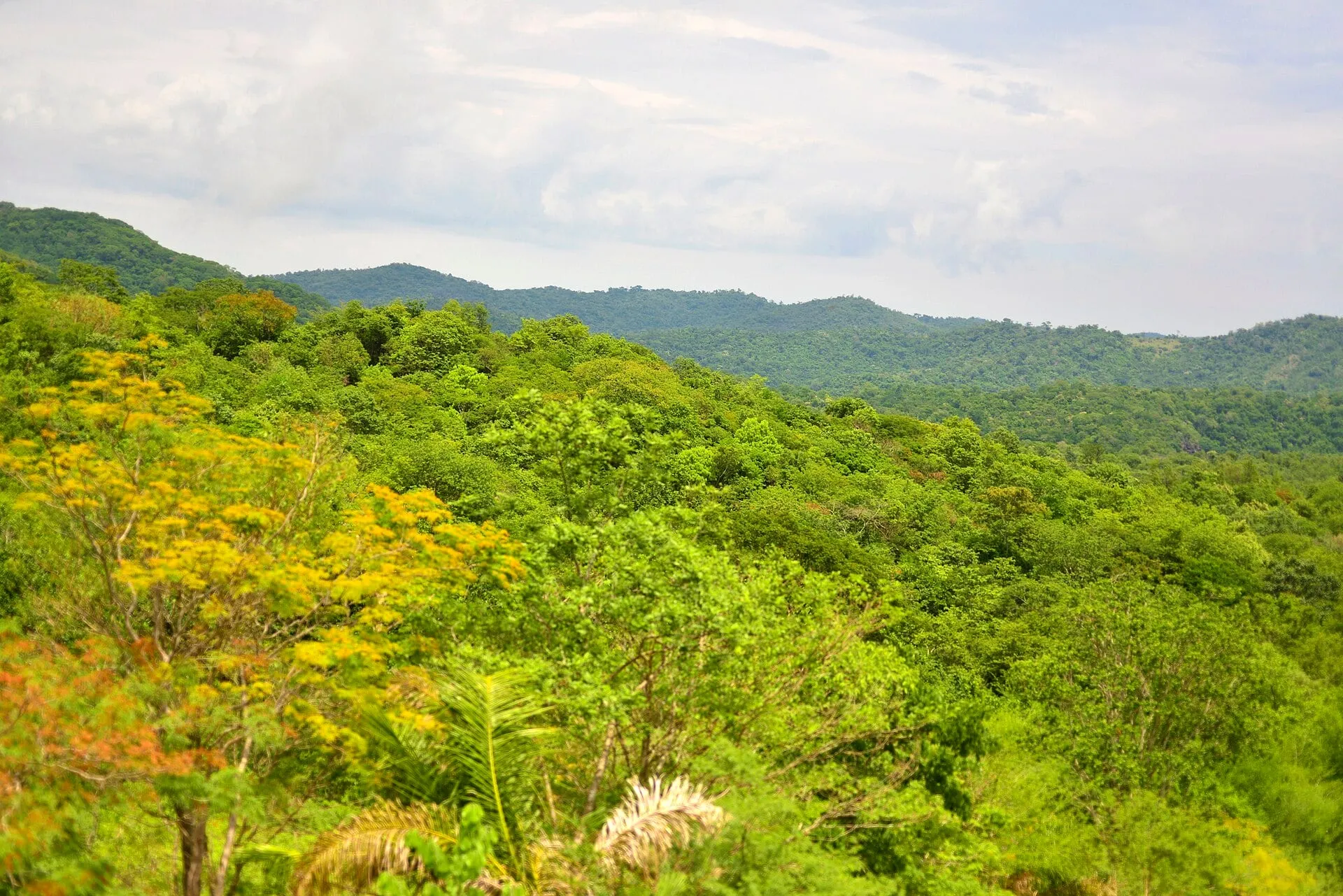
The Serra da Bodoquena region was Indigenous territory before ranchers arrived, and the Terena and Kadiwéu peoples remain in the southwest of Mato Grosso do Sul to this day, on lands neighboring the municipality. The Blue Lake Cave, Bonito’s best-known attraction, was shown to non-Indigenous settlers by a Terena man in the 1920s, according to the most frequently cited local records.
The Paraguayan War, fought between 1864 and 1870, passed through the region. The Retreat from Laguna, an episode in which a Brazilian column fell back through what is now southern Mato Grosso do Sul, is remembered in the names of neighboring municipalities, such as Guia Lopes da Laguna. After the war, the imperial government encouraged settlement of the frontier, and the cattle ranches advanced.
The ranches and the settlement
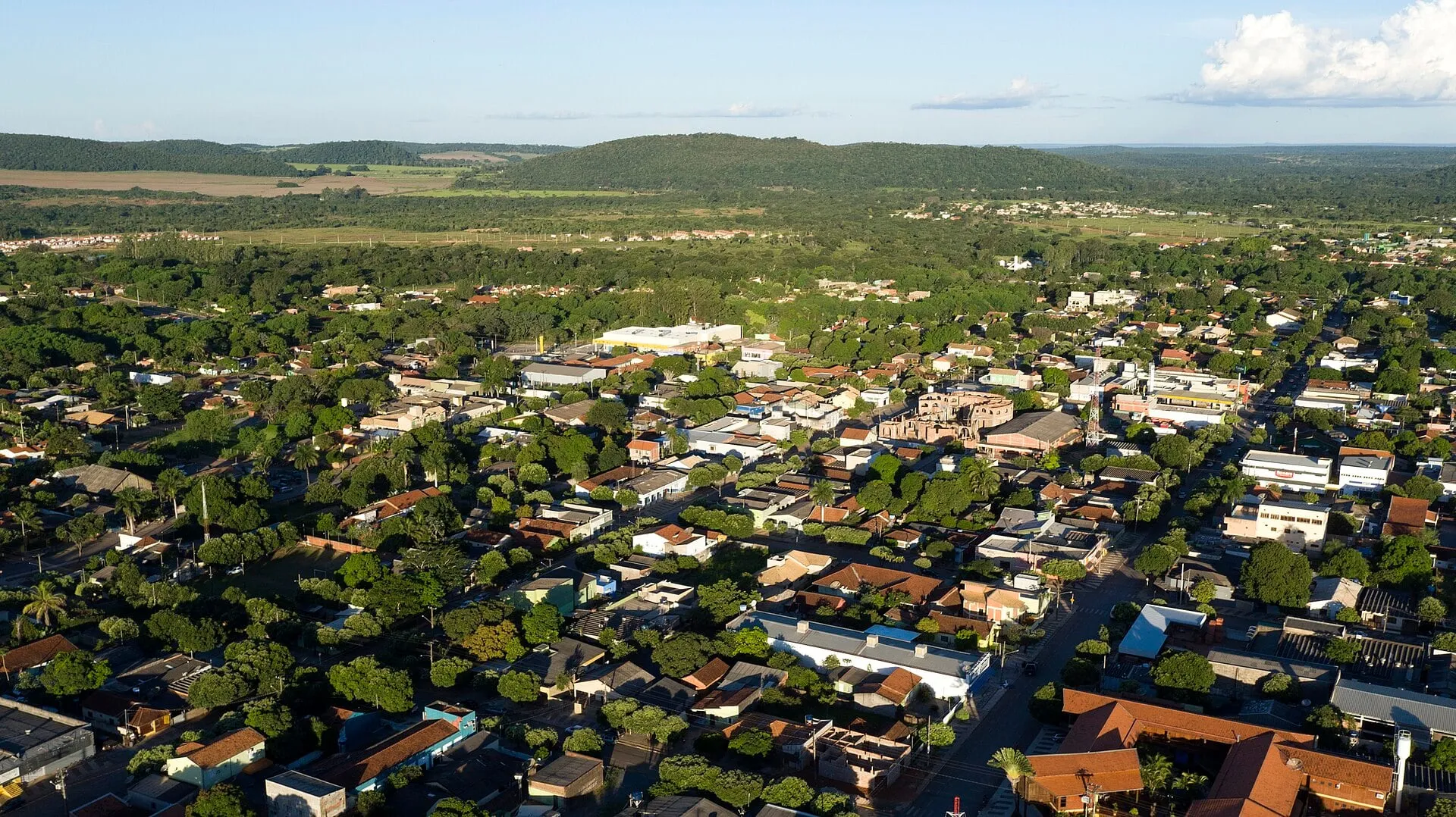
According to local records, the settlement that gave rise to Bonito formed around the Rincão Bonito ranch in the second half of the 19th century and inherited its name. For decades, the economy was extensive cattle ranching: herds raised loose on large unfenced properties, driven by cattle crews to market. The crystal-clear rivers were watering holes for cattle and places for a Sunday swim, not tourism.
In the early 20th century, the area was a district of a neighboring municipality. Incorporation came in 1948, by state law, when Bonito gained its own municipal government. In the following decades, the town grew slowly, like most of inland Mato Grosso do Sul, with ranching as its base and farming in second place.
The Blue Lake Cave and heritage protection
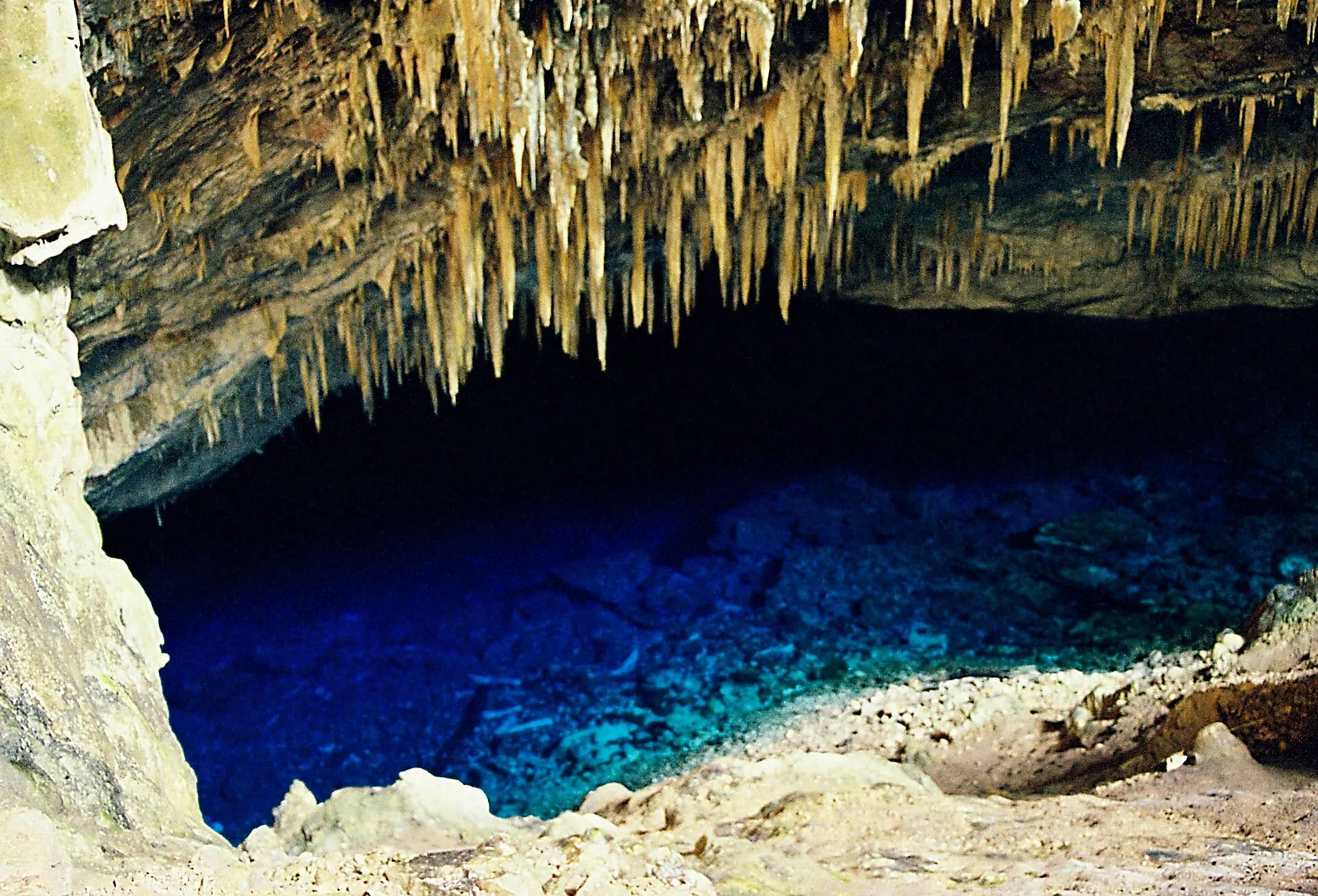
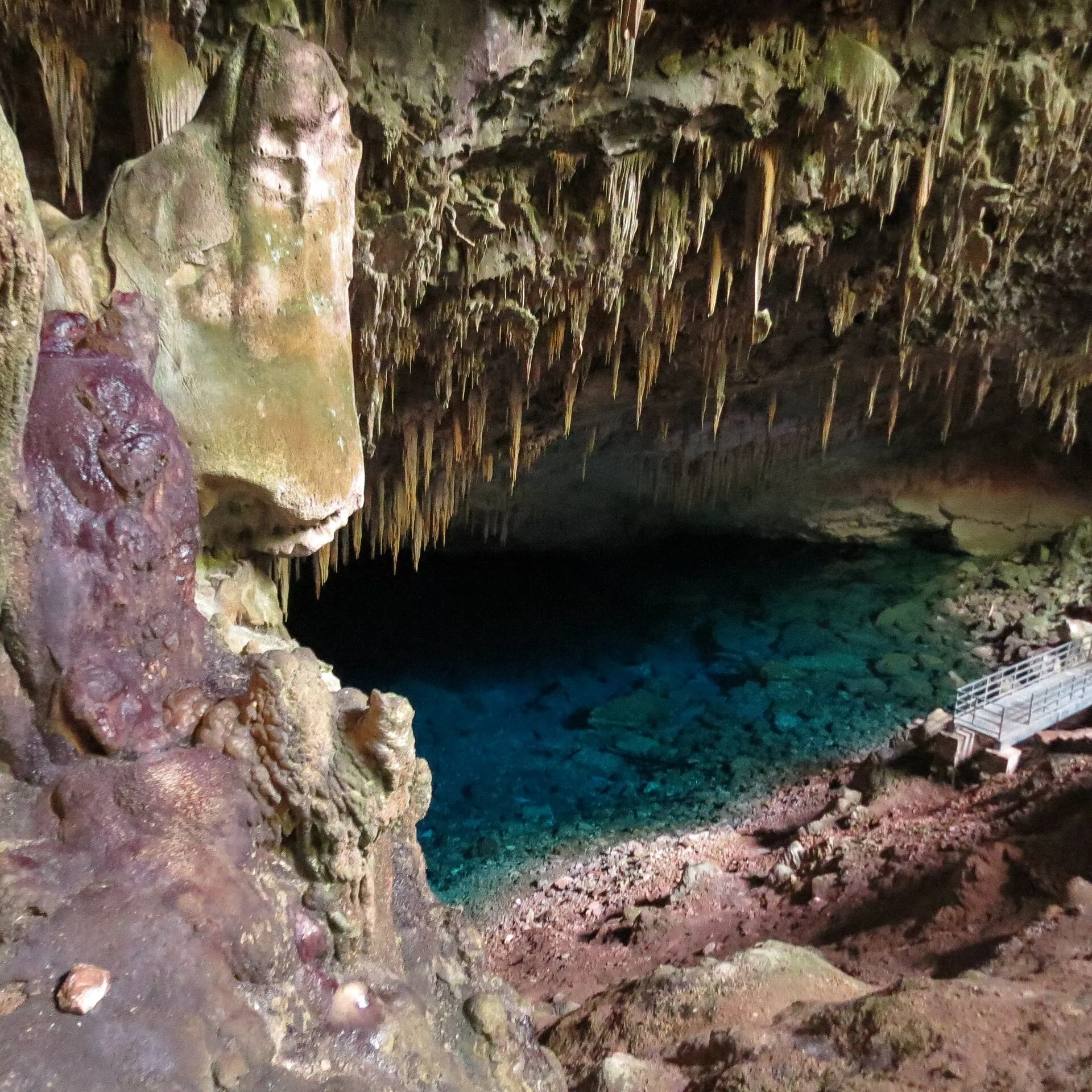
The Blue Lake Cave was the first attraction in Bonito to gain recognition beyond the region. It was listed as a natural heritage site by the federal government in the 1970s, before organized tourism existed. In 1992, a Franco-Brazilian expedition dived in the cave’s lake and found fossils of Ice Age animals, such as the giant ground sloth and the saber-toothed cat, which gave the cave scientific relevance and press coverage.
The cave helped establish the idea that the region had something rare to show. But tourism, until then, was small: visitors from Campo Grande and neighboring towns, on weekends and holidays.
The turn to ecotourism
The change came between the late 1980s and the 1990s. Three things came together:
- Television reports and national magazine features showed the crystal-clear rivers to an audience that did not know they existed. The image of floating down a river with fish visible meters away became the destination’s trademark.
- Farms opened stretches of river, waterfalls and caves to visitors, charging admission. Many of today’s attractions are properties that continue ranching on the rest of their land. This gave Bonito’s tourism a feature that persists: the attractions are private, with their own facilities, rather than public parks.
- The town set rules early. Still in the 1990s, the municipal government, the agencies and the attractions organized the system under which every tour is sold through a licensed agency, with a daily visitor cap and a mandatory guide. That is the single voucher, later formalized by municipal law and maintained to this day.
That third point is what distinguishes Bonito from other nature destinations in Brazil. By capping visitor numbers before volume grew, the town avoided the cycle of degradation seen elsewhere, and turned its own regulation into a selling point: rivers that stay clear because few people enter them each day.
Consolidation
In the 2000s and 2010s, Bonito consolidated its position. A national park was created in the Serra da Bodoquena in 2000, protecting part of the plateau that feeds the rivers (see Serra da Bodoquena). A winter festival of music and culture entered the calendar in the late 1990s and has been held annually since. The town has repeatedly received awards as Brazil’s best ecotourism destination from travel publications, and international recognition in responsible tourism.
The network of agencies, guesthouses and restaurants grew, the regional airport began receiving scheduled flights in some periods, and annual visitor numbers came to far exceed the population. At the same time, the basic structure of the model (private attractions, mandatory agency, carrying capacity per attraction) has not changed.
What this history explains
For visitors, Bonito’s history answers practical questions:
- Why I need an agency for everything. Because the system was created that way in the 1990s and the law keeps it in place.
- Why the attractions are on farms and have their own restaurants. Because they are private properties that opened part of their land to tourism.
- Why the tours sell out. Because each one has a daily visitor cap set to preserve the river or the cave.
- Why the town is small for the number of tourists. Because it grew as a ranching village and tourism came later.
The map of the region and the directions of the tours are in Bonito map.
Frequently asked questions
When did Bonito become a municipality?
In 1948, when it was incorporated by state law. Before that, the area belonged to other municipalities in the region and was occupied mainly by cattle ranches.
Where does the name Bonito come from?
According to local records, from the name of one of the ranches that gave rise to the settlement, Rincão Bonito, established in the second half of the 19th century. The town inherited the ranch's name. Bonito means 'beautiful' in Portuguese.
When did tourism begin in Bonito?
The Blue Lake Cave was already known and protected as heritage decades earlier, but tourism as an economic activity grew from the late 1980s and consolidated in the 1990s, with coverage in the national press, the opening of attractions on farms and the creation of the single-voucher system.
What is the single voucher and how long has it existed?
It is the system under which every tour in Bonito is booked through a licensed agency, at a fixed price and with a visitor cap per attraction. It began in the 1990s as a way to control visitor numbers and was formalized by municipal law.